Home / News / Blogs / He was given a tool. He built a life
How donated braille technology helped open a path to academic success
Sometimes, the impact of assistive technology is best understood through one person’s story.
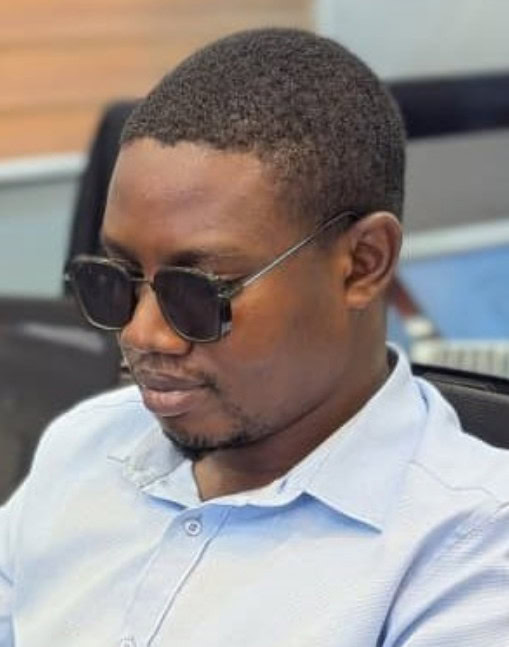
Erick Maximillian Mlasani, a former student at Mvumi School in Tanzania, recently shared a powerful message about the role BrailleNote devices have played in his education. Today, Erick is an academic, a law graduate, a scholarship recipient, and a tutorial assistant at the university level. His journey has been shaped by talent, discipline, and hard work, but also by access to the right tools at the right time.
A testimony that will live forever
In a personal message, he wrote:
“Sir today I am an academician retained at the university just because of Braillenote.
This is the testimony that will live with me forever.”
More than a device
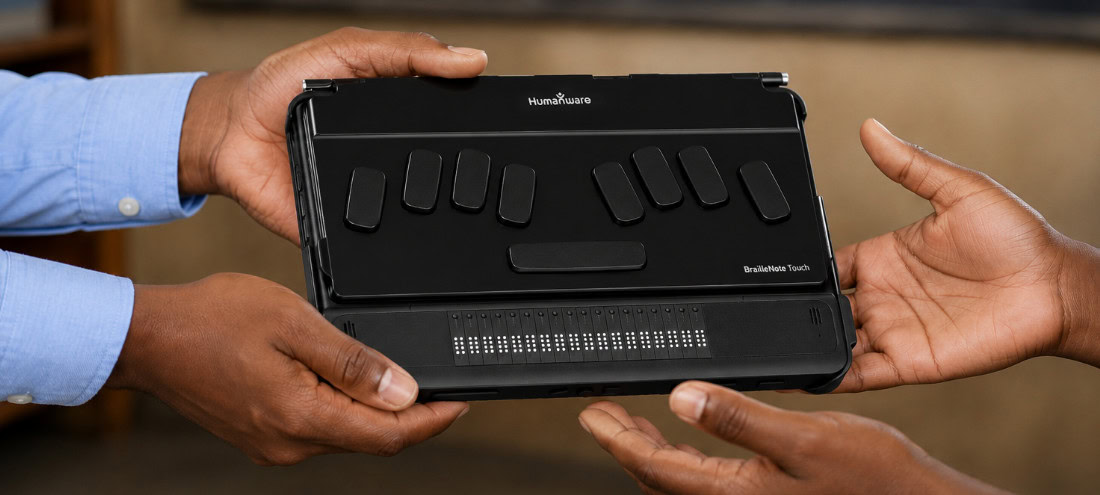
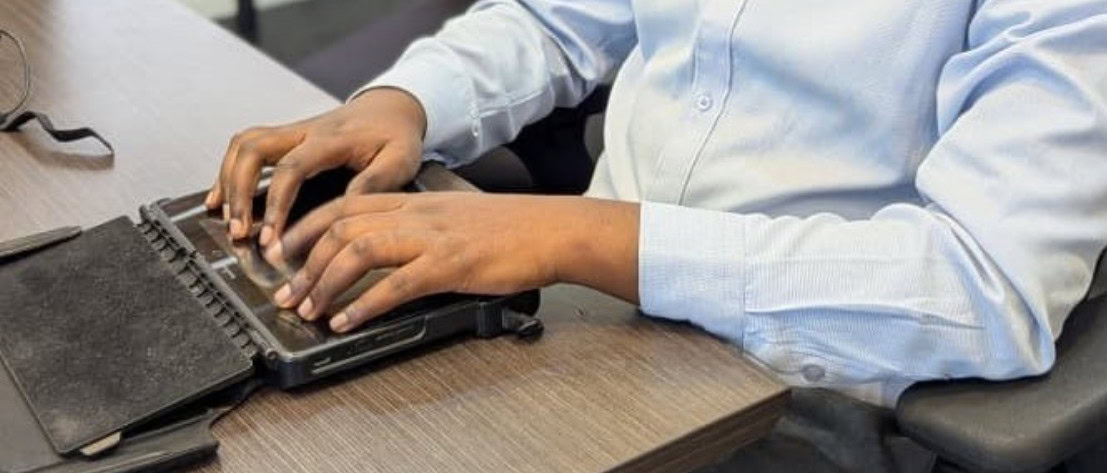
Over the years, Erick used several generations of BrailleNote technology, from the BrailleNote Apex to the BrailleNote Touch and BrailleNote Touch Plus. For him, these devices were never simply pieces of equipment. They helped him read, write, take notes, study, and compete in academic environments that were not always designed with students who are blind in mind.
When technology is given a second life
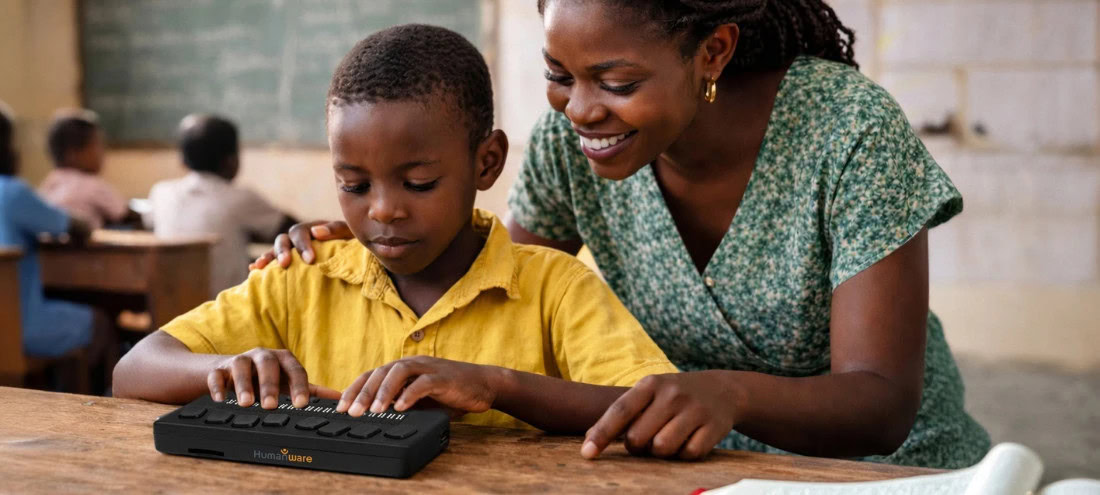
His story also shows the lasting value of donated and trade-in technology. At Mvumi School, older BrailleNote units gave students access to tools that might otherwise have been out of reach. A device that is no longer used in one school can become life-changing in another. In places where access to specialized assistive technology remains limited, that second life can make a lasting difference.
The future Erick worked for
With the support of BrailleNote, Erick excelled in secondary school, earning Division One results with several A grades. He later became the third best student in Tanzania in advanced level examinations, competing alongside sighted peers. At university, he continued to thrive in law, achieving the highest marks in his studies, earning a scholarship, and securing employment as a tutorial assistant within months of graduation.
He went on to complete his master’s degree, continuing the academic path he had built through years of discipline, ambition, and perseverance.
Access helps potential be seen
These achievements belong to Erick. They reflect his intelligence, ambition, and determination. But his testimony also reminds us that ability needs access. Assistive technology does not create potential. It helps remove the barriers that can prevent potential from being recognized.
For students who are blind, access to braille technology can support independence, confidence, and full participation in education. It can mean being able to complete assignments without delay, prepare for exams, organize complex material, and participate more equally alongside classmates. For Erick, BrailleNote helped make that possible at every stage of his academic journey.
A call to keep opportunity moving
His message is also a call to action. Erick wanted his experience to inspire schools in the United States, the United Kingdom, and elsewhere to consider donating older assistive technology when it is replaced. What may seem outdated in one setting may still have enormous value somewhere else. It may be the device that helps a young person complete school, apply to university, pursue a career, or imagine a future that once felt out of reach.
The impact may appear years later
Today, Erick is not only someone who benefited from access to technology. He is now in a position to support and inspire other students. That is part of the wider impact of donations and trade-in programs. Their effect may not be fully visible at the moment a device is shipped or received. It may appear years later, in a graduation, a scholarship, a first job, a master’s degree, or a student returning to the academic world as a teacher and mentor.
Older technology can still carry new possibilities
Erick’s story is a reminder that older technology can still carry new possibilities. A BrailleNote that is no longer being used in one school can help open the door to education for a student in another part of the world.
For schools, organizations, and communities with assistive technology that is sitting unused, the message is simple: these devices still have work to do. They can continue to support learning. They can continue to build independence. And sometimes, they can help a student become an academic, a mentor, and a living example of what access can make possible.