
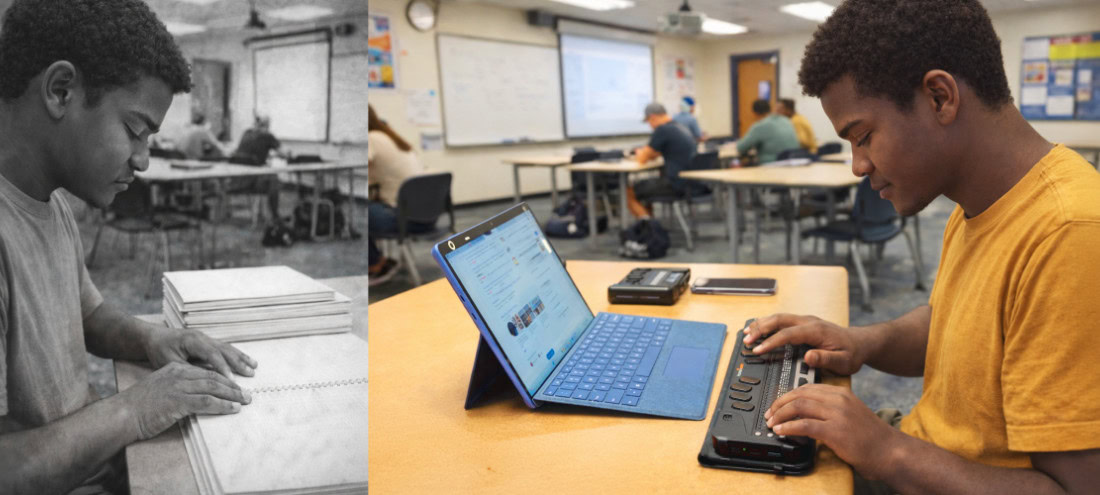
Access to education for students who are blind or have low vision has improved dramatically over the past decades. Inclusive education policies are now widespread, and assistive technology has opened doors that were once firmly closed.
But progress tells only part of the story.
For millions of students, access remains fragile—dependent not just on policy, but on whether the right tools, training, and support are actually available. The reality is clear: inclusion is growing, but equity is not guaranteed.
The World Health Organization (WHO) estimates that 2.2 billion people worldwide live with vision impairment, including at least 43 million people who are blind. Among them are millions of students whose ability to learn, participate, and succeed depends on access to assistive technology and accessible content.
In many classrooms, the difference between inclusion and exclusion still comes down to something simple: access—to braille, to technology, to materials, to support.
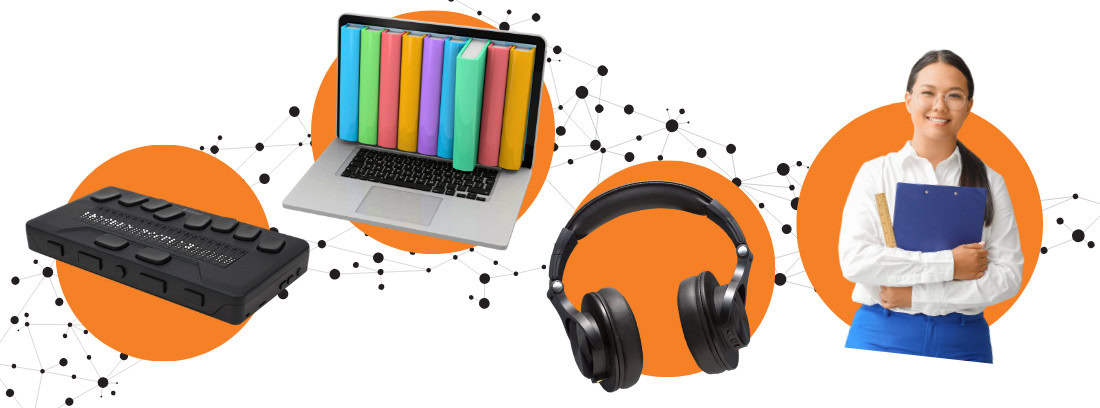
Assistive technology has become one of the most powerful enablers of accessible education. From braille displays to digital talking book readers and magnification systems, these tools make it possible for students to read, write, and engage with the same content as their peers.
And yet, access remains the exception—not the norm.
Globally, only about 10% of people who need assistive technology have access to it. In low-income countries, that number drops to as little as 3%.
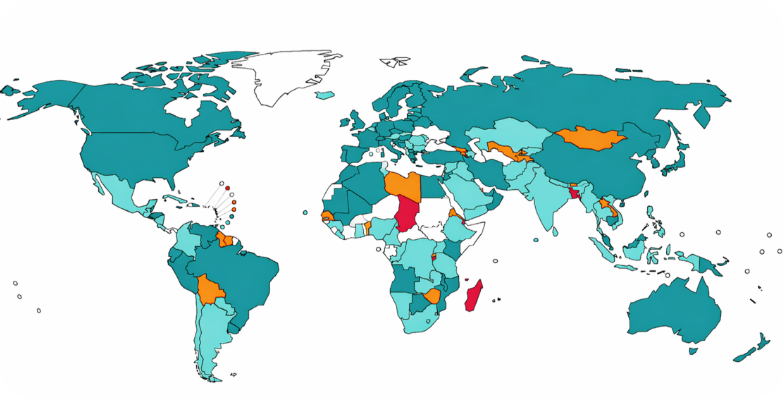
For students, this is not an abstract statistic—it is a daily barrier. Without the right tools, reading a textbook, completing an assignment, or navigating a digital platform becomes a challenge that many simply cannot overcome.
As education continues to move online, this gap is no longer just a limitation—it is a risk of widening inequality.
There is progress.
Global standards, such as those developed by the DAISY Consortium, are transforming how digital content is structured and accessed. Digital libraries are expanding the availability of books in braille, audio, and accessible formats.
At the same time, assistive technology is evolving rapidly. Today’s devices combine braille, speech, and connectivity—giving students more independence than ever before.
But technology alone does not create inclusion.
Accessible education depends on an ecosystem—where technology, content, training, and support systems work together. Without that balance, innovation risks outpacing real-world impact.
Braille remains the foundation of literacy for many students who are blind. It enables not just reading, but writing, comprehension, and true independence.
Yet its role is shifting—and that shift raises important questions.
As more students are integrated into mainstream classrooms and as audio-based technologies become more prevalent, fewer students are receiving formal braille instruction. This trend, observed across North America and in countries such as Australia, points to a gradual decline in braille literacy.
The implications are significant.
Less braille instruction can mean:
At the same time, digital and audio tools are expanding how students learn. The future is not braille or technology—it is braille and technology. A multimodal approach is emerging, but it requires intentional balance.
Their message is clear: innovation alone does not guarantee inclusion. Without sustained investment in braille teaching, accessible materials, and trained educators, the shift toward digital learning risks leaving some students behind.
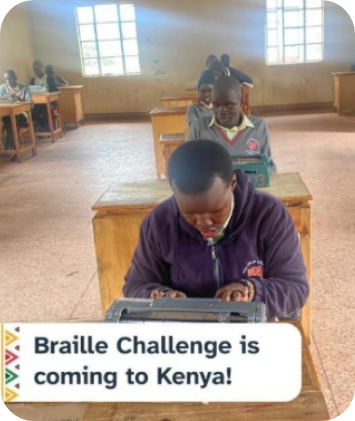
Access alone is not enough. Students also need pathways to succeed.
Scholarships and educational initiatives play a critical role in turning access into opportunity. By reducing financial barriers and recognizing talent, they enable students to pursue higher education and leadership roles.
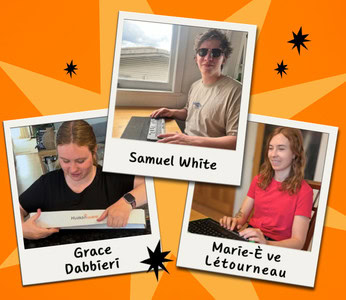
The HumanWare – Jim Halliday STEAM Innovation Bursary reflects this commitment. By supporting students in science, technology, engineering, arts, and mathematics, it helps cultivate a new generation of innovators—many of whom will shape the future of accessibility itself.
Beyond individual programs, a global network of organizations is working to expand access to education and opportunity.
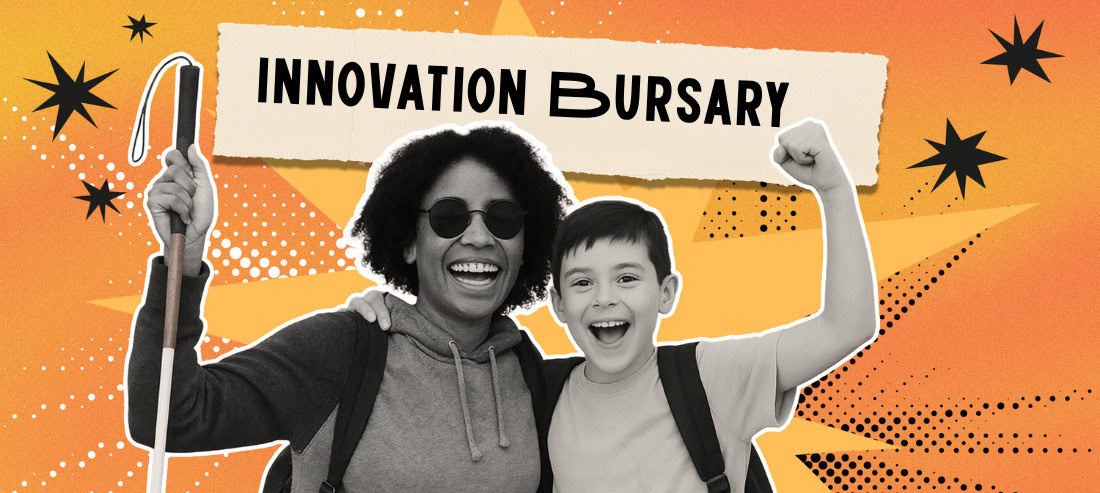
Together, these initiatives reflect a shared understanding: access to education requires more than policy—it requires sustained investment in literacy, technology, and student support systems.
Accessible education does not happen in isolation. It requires collaboration across education systems, advocacy organizations, and industry.
Technology companies play a unique role—not only by building tools, but by shaping what is possible.
HumanWare’s work in braille, digital reading, and low vision technologies reflects this responsibility. But beyond products, engagement in literacy initiatives, competitions, and scholarships helps strengthen the broader ecosystem that supports students.
The goal is not just access to technology—it is meaningful participation in education.
Accessible education has come a long way—but the next phase will require more than progress. It will require intention.
Closing the assistive technology gap.
Reinvesting in braille literacy.
Supporting educators and students alike.
Because when the right elements come together—technology, literacy, and opportunity—students who are blind or have low vision gain more than access.
Inclusive education is not just about removing barriers. It is about building systems where every student has the tools—and the opportunity—to succeed.